June 3, 2026
Every change in the season brings unique atmospheric challenges that test the structural and mechanical integrity of our vehicles. From blistering summer heatwaves that cook delicate internal electronics to freezing winter blizzards that solidify vital fluids, weather acts as a primary catalyst for sudden mechanical failures. Understanding how volatile environmental conditions induce specific automotive malfunctions can help motorists safeguard their vehicles and better prepare for roadside emergencies.
Examining Extreme Heat Failures
When summer temperatures skyrocket, vehicles face immense thermal stress that rapidly accelerates the degradation of critical under-hood components. The battery is often the first major victim of extreme heat, as high ambient temperatures accelerate internal chemical reactions, causing the liquid electrolyte solution to evaporate and internal grids to corrode prematurely.
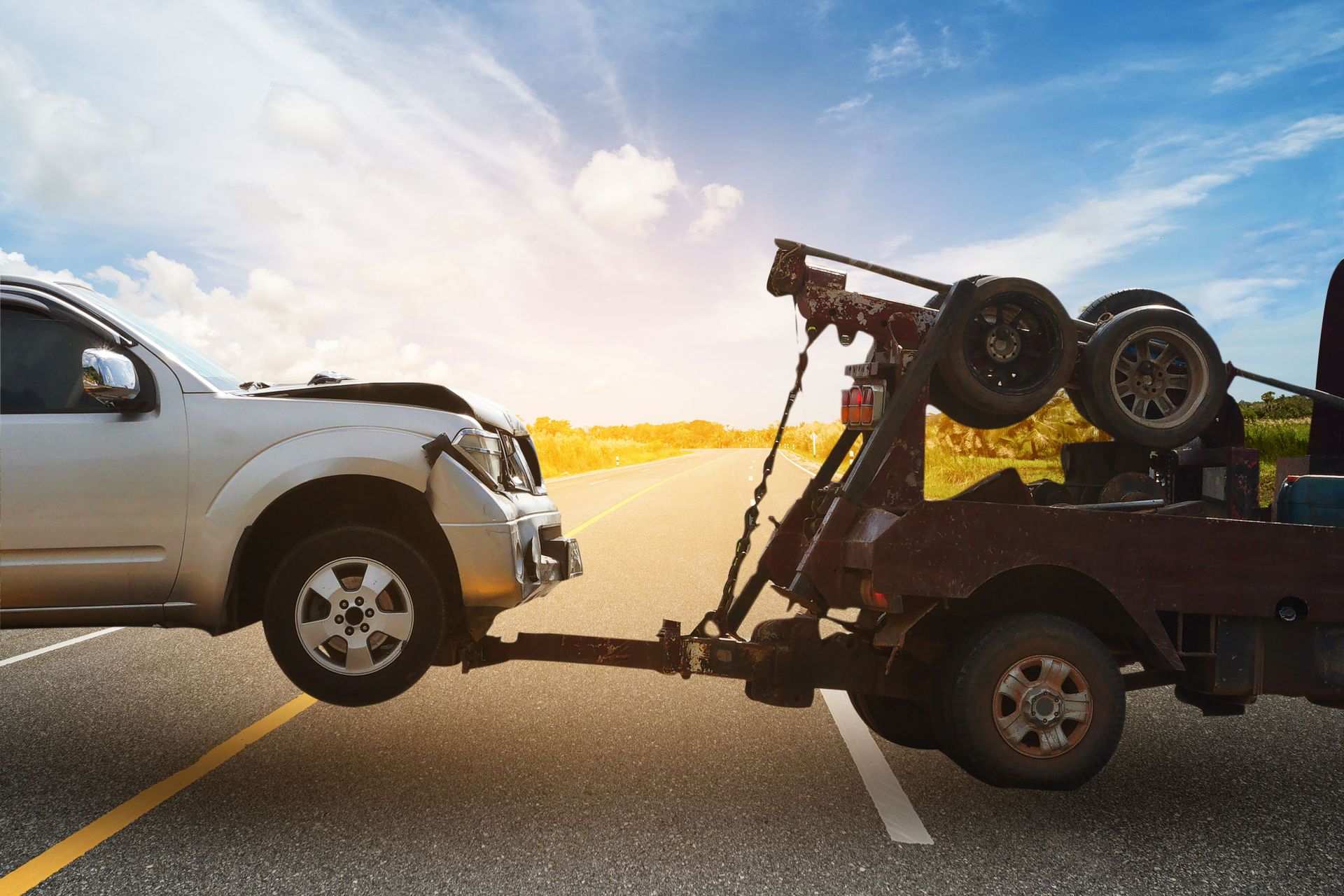
Furthermore, the vehicle’s cooling system must work exponentially harder to dissipate heat away from the engine block, placing massive stress on the water pump, radiator, and rubber cooling hoses. If a vehicle has neglected cooling system maintenance, the immense pressure can cause brittle hoses to split, leading to sudden coolant loss and severe engine overheating. When a vehicle leaves a motorist stranded on a baking asphalt highway due to thermal exhaustion, immediate intervention from a professional auto repair facility becomes necessary to diagnose the underlying structural damage.
Analyzing Subzero Winter Strains
In stark contrast to summer malfunctions, freezing winter weather introduces a completely different set of mechanical challenges that paralyze vehicular operation. Subzero temperatures cause motor oil, transmission fluid, and steering fluids to thicken significantly, which impedes the rapid lubrication of critical internal engine components during a cold start. This viscous drag forces the starting motor to draw far more electrical current from a battery whose chemical power output has already been slashed in half by the freezing cold.
Additionally, moisture can find its way into exposed brake cables and door locks, freezing solid overnight and rendering the vehicle completely immobilized before the morning commute even begins. If your anti-freeze mixture lacks the proper chemical concentration to combat extreme subzero drops, the fluid can freeze and expand directly inside the engine block, causing catastrophic structural cracking. Resolving these severe winter freezes requires specialized diagnostic tools and professional auto repair solutions to safely restore the vehicle's internal operational capabilities.
Reviewing Precipitation and Traction
Heavy downpours, dense spring fog, and winter ice storms create treacherous driving surfaces that push vehicular braking and traction systems to their absolute limits. Wet or icy asphalt drastically reduces the friction coefficient between the tire tread and the road surface, exponentially increasing the distance required to bring a vehicle to a complete stop. If a vehicle's tires are worn past safe limits or the anti-lock braking system malfunctions, the driver faces an immediate risk of hydroplaning or sliding into fixed roadside obstacles.
This dangerous loss of traction occurs because a thin layer of water builds up between the rubber and the pavement, completely removing the driver's steering control. Furthermore, heavy rain and melting snow can infiltrate cracked electrical junction boxes, causing short circuits that disable vital lighting arrays, windshield wipers, and electronic control modules. Corrosive road salt dissolved in winter slush further accelerates this electrical degradation, causing rapid wire corrosion that can trigger intermittent sensor failures.
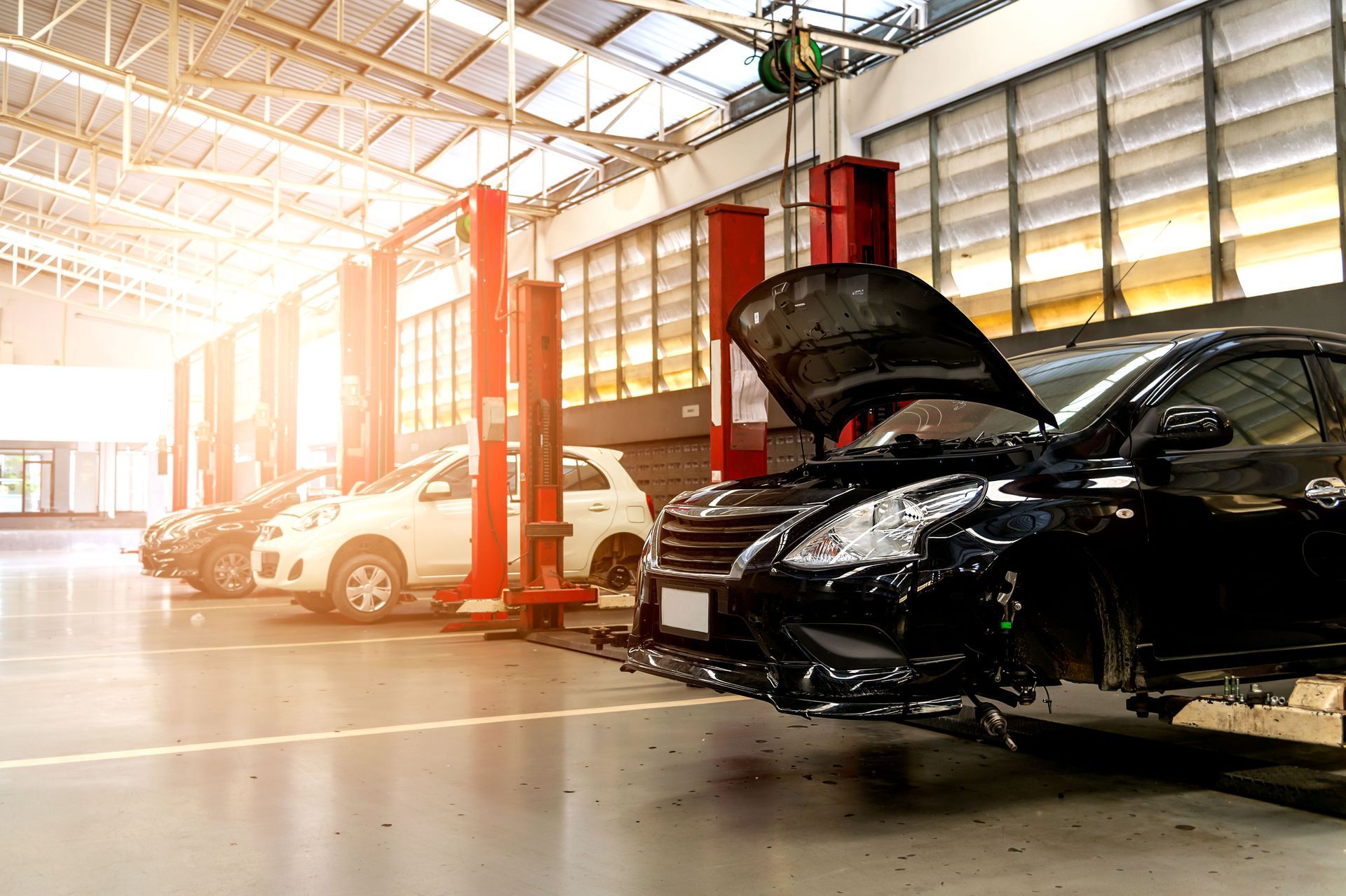
When a vehicle suffers a structural impact or an electrical blackout due to severe storm exposure, the vehicle must be safely transported to an advanced auto repair garage to assess the systemic damage. Specialized diagnostic scanning is required in these scenarios to ensure that hidden water intrusion has not permanently fried the vehicle’s central powertrain computers.
Navigating Towing Logistics Challenges
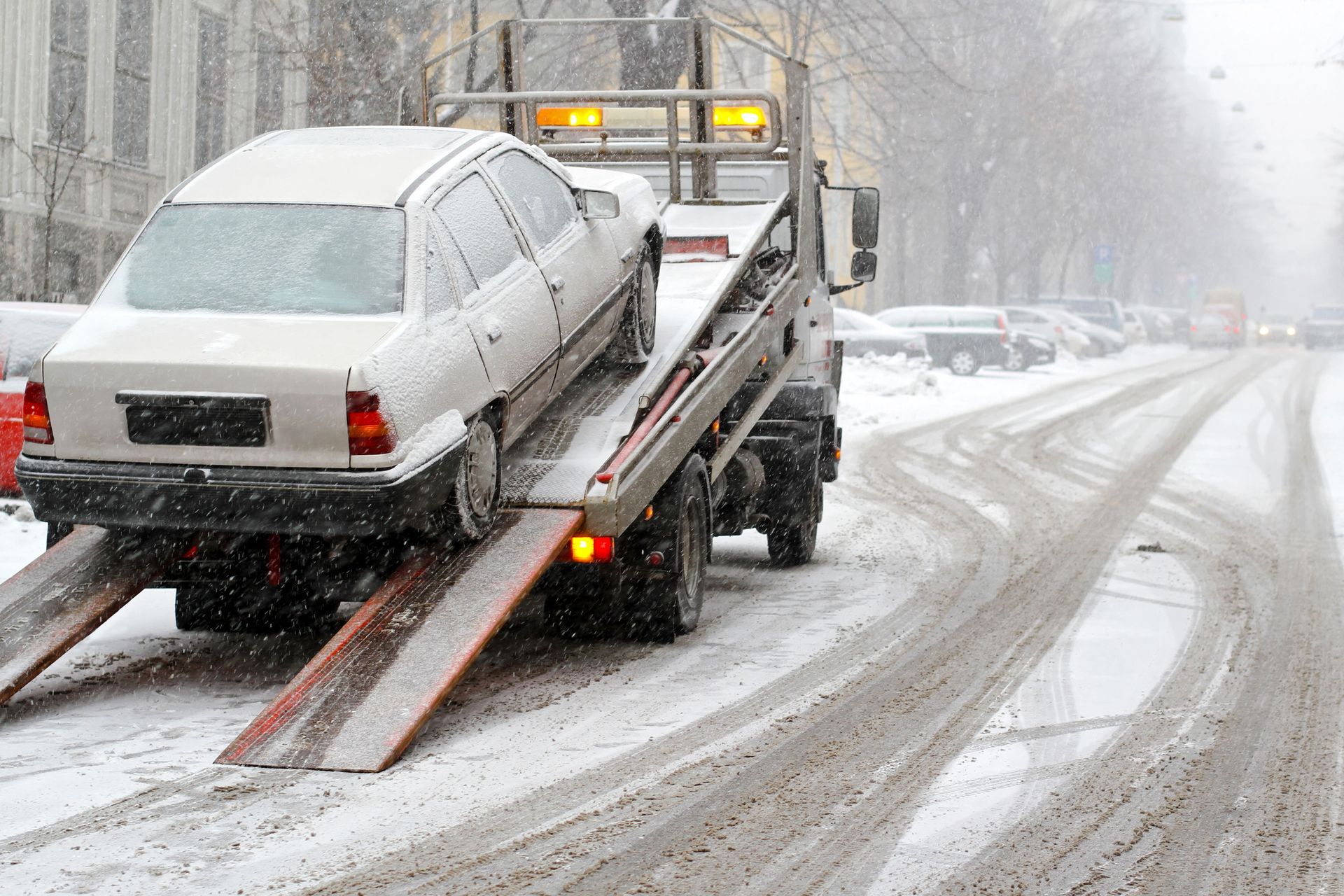
When severe weather triggers a massive, simultaneous surge in vehicular breakdowns across a metropolitan region, local emergency logistics infrastructure faces intense strain. Flash floods, heavy snowfall accumulation, and black ice sheets do not merely disable passenger cars; they also severely impede the physical movement of heavy recovery vehicles attempting to reach stranded motorists. Towing operators must navigate the exact same hazardous, gridlocked road conditions as the public, which naturally impacts their baseline operational timelines.
During regional crises, dispatch centers must transition to strict emergency triage protocols, prioritizing vehicles stranded in active traffic lanes or dangerous highway intersections before assisting those in safe parking lots. According to WifiTalents, the average towing response time in urban areas is roughly 45 minutes. However, during a catastrophic weather event, this standard benchmark can fluctuate significantly based on regional accident density, active road closures, and localized visibility limitations.
Furthermore, extreme wind or rising floodwaters can make standard hook-and-chain or flatbed loading operations inherently dangerous, requiring operators to slow down to ensure physical safety. Understanding these underlying operational constraints underscores why drivers should remain patient while professional dispatchers systematically coordinate emergency roadside extractions based on strict situational urgency.
Evaluating Tire Pressure Fluctuations
Rapid changes in ambient atmospheric temperature exert a direct, measurable influence on the internal inflation pressure of every tire on the road. For every ten-degree drop in external temperature, the compressed air inside a tire loses approximately one pound per square inch of pressure due to molecular contraction. Driving on chronically underinflated tires increases rolling resistance, forces the engine to consume more fuel, and causes dangerous heat buildup along the tire's structural sidewalls. This lack of proper inflation also compromises the vehicle's handling, making it more difficult to execute emergency maneuvers on slick roads.
Conversely, intense summer heat expands the internal air volume, which can cause older, compromised tires to suffer sudden, catastrophic blowouts at high highway speeds. When rubber is subjected to these sudden pressure spikes, any existing micro-cracks in the tread can rapidly expand into full structural failures. Both extremes can lead to a complete loss of steering control, forcing motorists to seek immediate roadside assistance and subsequent professional auto repair interventions to replace shredded rubber components.
Additionally, incorrect pressure accelerates uneven tread wear, which shortens the overall lifespan of your tires and wastes money. Routinely monitoring tire pressure metrics against the manufacturer's specified door placard prevents these volatile atmospheric fluctuations from causing a dangerous roadside crisis.
Scheduling Preventative Maintenance Measures
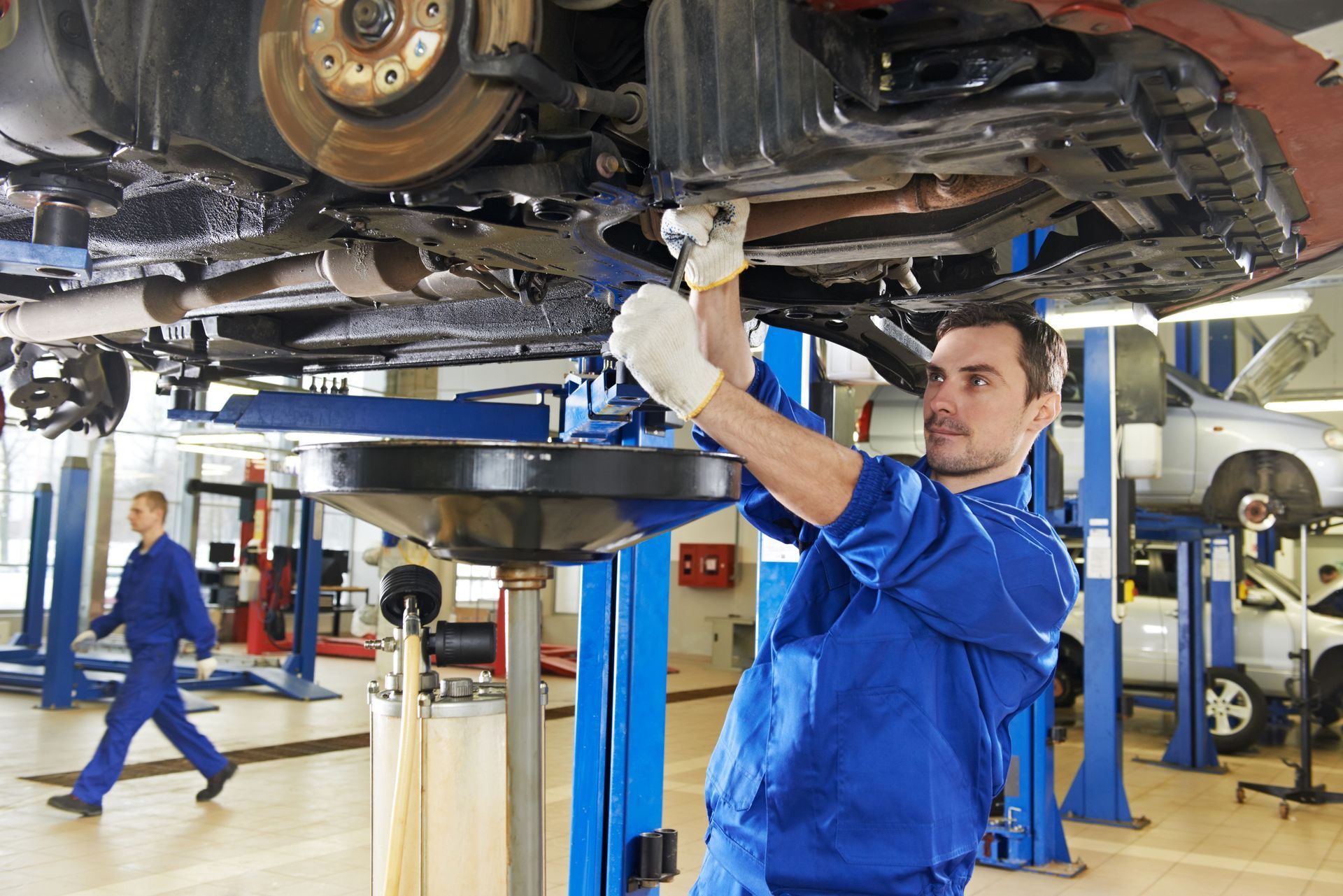
The most effective method for mitigating the destructive influence of changing weather patterns on your vehicle is establishing a rigorous, seasonally adjusted preventative maintenance schedule. Proactively replacing a weak, three-year-old battery before the first winter freeze or inspecting belt tensioners prior to a summer road trip prevents minor wear from escalating into a costly highway breakdown. A certified automotive technician can execute comprehensive fluid flushes, verify thermostat operation, and ensure your braking systems are fully optimized to handle sudden slick road surfaces. Investing in routine auto repair evaluations ensures that hidden mechanical vulnerabilities are caught and corrected within the controlled environment of a service bay rather than on a dangerous shoulder. Ultimately, a well-maintained vehicle possesses the structural resilience necessary to withstand extreme environmental shifts, saving you from the stress of unexpected towing fees and extensive secondary component damage.
Navigating the volatile intersection of changing weather patterns and vehicular mechanics requires a proactive mindset, regular diagnostic checkups, and a clear understanding of roadside logistics. When extreme conditions inevitably compromise your vehicle's internal systems, relying on certified automotive professionals and licensed towing operators ensures a safe, efficient recovery process. By prioritizing seasonal preventative maintenance, you shield your automotive investment and preserve your personal safety regardless of what the forecast predicts. If you are looking for a towing company, contact Southampton Towing & Recovery today to get started!