September 4, 2026
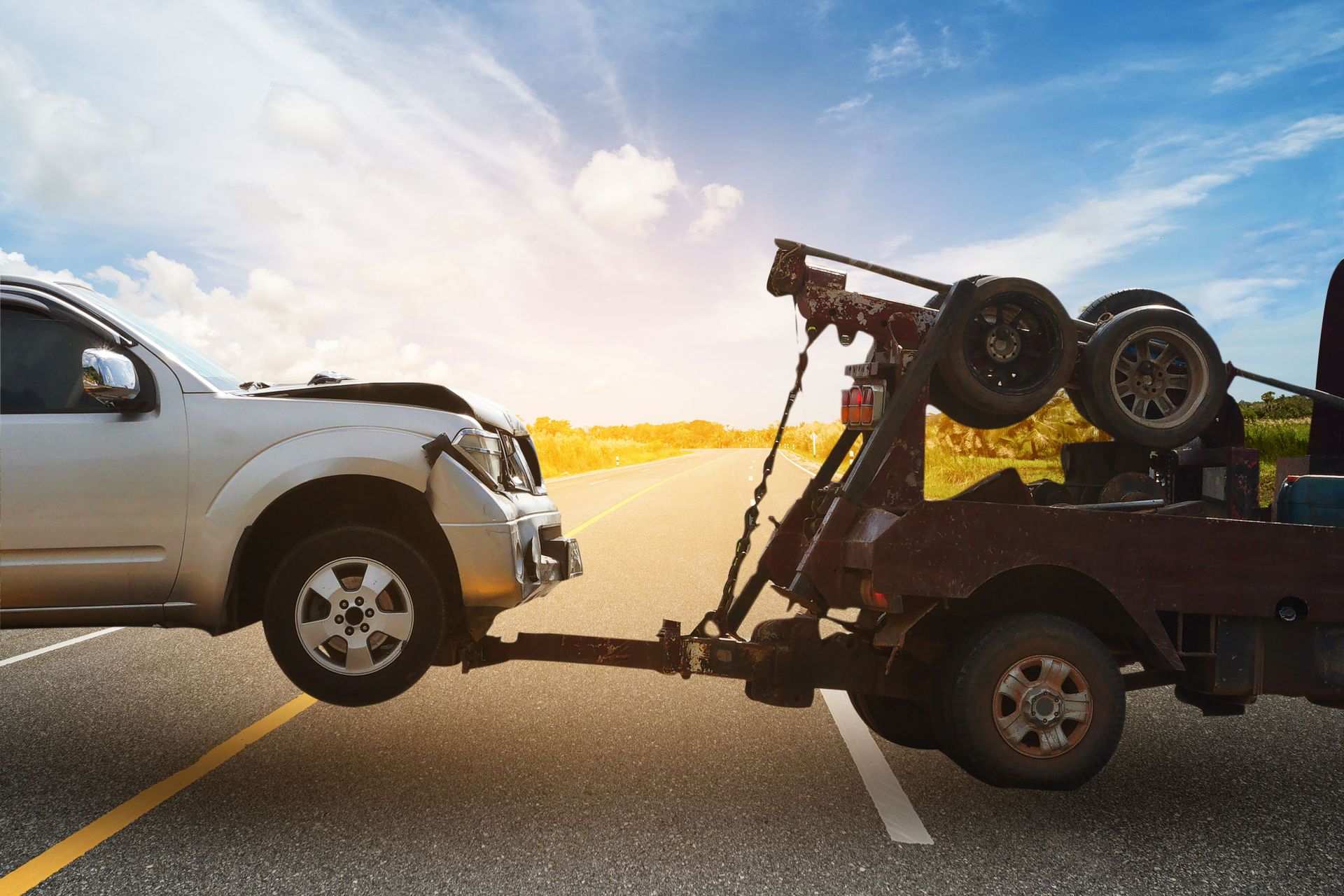
A breakdown can become more dangerous the longer a disabled vehicle remains near moving traffic. Weather, darkness, poor visibility, and the vehicle's position may increase the urgency, while incomplete location or vehicle information can delay assistance. Calling a towing service promptly allows dispatch to begin while the driver takes appropriate safety measures. A quick call cannot guarantee an immediate arrival, but timely action and accurate communication can reduce avoidable delays and help move the vehicle toward a safer location or appropriate repair facility.
Put Immediate Safety Ahead of the Vehicle
The first priority is evaluating the surroundings. A vehicle stopped in an active traffic lane, around a blind curve, on a narrow shoulder, or near an intersection presents a different risk from one parked in a quiet lot. If the vehicle can be moved safely and its condition allows it, reaching a shoulder or nearby parking area may reduce exposure. Drivers should not attempt movement when doing so could worsen a mechanical problem or create another hazard.
Hazard lights can help make a stopped vehicle more visible. Occupants should consider traffic speed, shoulder width, barriers, weather, and official guidance when deciding whether remaining inside or leaving the vehicle is safer. Standing beside a vehicle close to traffic can be extremely dangerous. Drivers should avoid inspecting damage from the traffic-facing side or attempting repairs in an exposed area.
Emergency conditions require emergency responders rather than reliance on a tow truck alone. A collision involving injuries, fire, smoke, leaking hazardous material, or a vehicle blocking traffic may justify calling 911. The dispatcher can provide instructions and coordinate police, fire, or medical assistance as appropriate. Once immediate hazards are reported, arrangements can be made for vehicle removal.
Time matters because other drivers may not expect a stopped vehicle. Darkness, fog, rain, snow, or glare can make it harder to see, and high-speed traffic leaves little room for correction. Promptly contacting a towing service starts the response process, but occupants should continue following safe roadside practices while waiting.
Recognize When Driving Could Worsen the Problem
Some malfunctions make continued driving unsafe or likely to cause additional damage. Warning lights, overheating, smoke, fluid loss, sudden loss of power, unusual noises, steering difficulty, or braking problems can indicate that the vehicle should be stopped and evaluated. A flat tire, collision damage, or a vehicle stuck off the roadway may also require recovery equipment rather than further attempts to move it.
According to Consumer Affairs, the four leading categories of common automotive repairs involve electrical systems, cooling systems, engines and transmissions, and fuel-related components. Problems in these areas can cause a vehicle to stall, overheat, lose power, or refuse to start, although the exact symptoms vary. Continuing to drive without understanding the condition can turn a manageable repair into a more serious failure.
Drivers should not repeatedly restart an overheating engine or continue operating a vehicle with an oil-pressure warning, severe fluid leak, or abnormal mechanical noise. The owner's manual may provide model-specific instructions for warning indicators. When the safe course is uncertain, describing the symptoms to roadside assistance or a repair professional is better than guessing.
Give Dispatchers Precise Information
Accurate location details are among the most useful ways to reduce delays. A street name alone may be insufficient on a long road or divided highway. Drivers should share the direction of travel, nearest exit, mile marker, cross street, recognizable landmark, or business name when available. A smartphone map can provide coordinates or a location pin, but the driver should also explain which side of the roadway the vehicle occupies.
Vehicle information helps the towing service send appropriate equipment. The dispatcher may need the make, model, approximate year, drivetrain, size, and condition of the vehicle. Modifications, low ground clearance, locked wheels, collision damage, missing tires, an attached trailer, or a vehicle positioned in a ditch or parking structure can change the recovery requirements. Failing to mention these details may result in a truck arriving without the necessary capability.
Understand What Can Affect Arrival Time
Response estimates can change with traffic, distance, weather, road closures, and current demand. Rush hour may slow the assigned truck, while a major storm can produce many simultaneous calls. Crashes, construction, and special events may block the most direct route. A responsible estimate should therefore be treated as an informed projection rather than an exact promise.
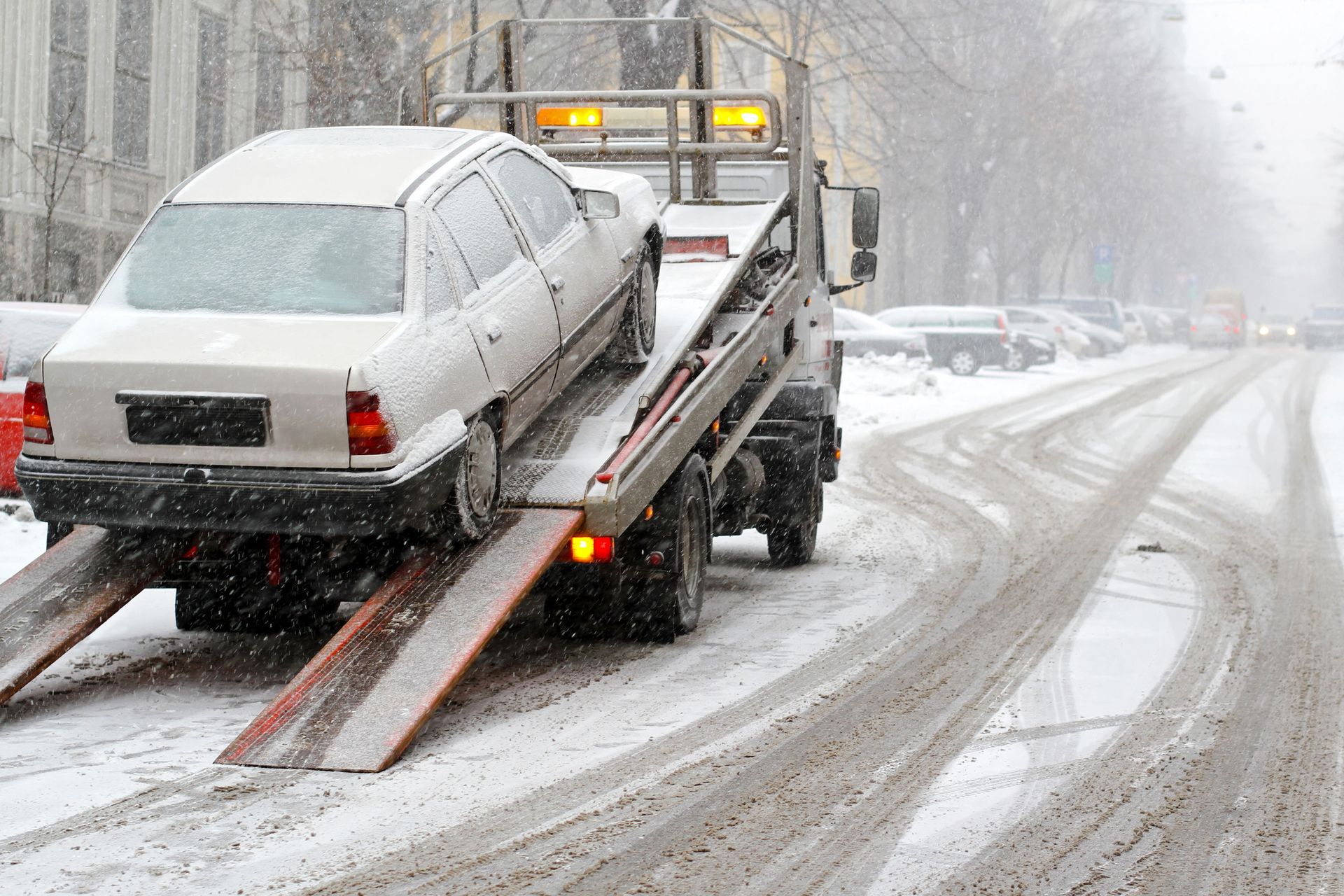
Weather increases risks for both stranded motorists and tow operators. Ice, snow, flooding, heavy rain, and limited visibility can slow travel and make loading more complicated. Extreme heat or cold may also make waiting in a disabled vehicle hazardous. Drivers should tell dispatch about vulnerable passengers, unsafe exposure, or deteriorating conditions and contact emergency services if the situation becomes life-threatening.
The vehicle's position can affect how long recovery takes after the truck arrives. A straightforward pickup from a parking lot differs from extracting a vehicle from mud, a steep embankment, a low-clearance garage, or a collision scene. Police investigation or traffic control may need to finish before removal begins. Sharing these conditions during the first call improves preparation and makes the initial time estimate more meaningful.
Prepare Before a Breakdown Occurs
Insurance policies, vehicle warranties, manufacturer programs, credit cards, and motor clubs may include roadside benefits. Coverage can involve mileage limits, dispatch requirements, designated providers, reimbursement rules, or exclusions. Saving the correct contact information and understanding how to initiate a covered tow can prevent confusion. Calling an outside provider first may affect reimbursement under some plans.
Drivers should store essential information in the vehicle and on their phones. Useful records include roadside-assistance numbers, insurance details, emergency contacts, the vehicle identification number, and preferred repair facilities. A charged phone and compatible charger support communication. Reflective warning equipment, a flashlight, weather-appropriate clothing, drinking water, and basic first-aid supplies may also make waiting safer when used appropriately.
Preparation should include knowing the vehicle. Drivers benefit from understanding warning lights, jack points, towing restrictions, drivetrain, and the location of wheel-lock keys or removable accessories. Electric vehicles may have particular transport and charging considerations, while lowered, oversized, or all-wheel-drive vehicles can require specific equipment. Sharing these facts during the call helps prevent equipment mismatches and repeated dispatches.
Avoid Decisions That Create Further Delays
Calling several companies simultaneously without canceling unused requests can waste time and resources. If a driver changes providers, receives help from police, restarts the vehicle, or arranges another solution, any outstanding request should be canceled promptly. A towing service can then redirect the truck to another stranded motorist.
Timely Action Creates a Safer, Smoother Response
The time between a breakdown and vehicle removal is shaped by more than driving distance. Safety decisions, accurate location details, correct vehicle information, weather, traffic, recovery complexity, and coverage procedures all influence the response. Drivers cannot control every variable, but they can avoid preventable delays by calling early and communicating clearly.
When a vehicle cannot be operated safely, a timely towing service request begins the process of moving it away from roadside hazards and toward diagnosis or repair. Advance preparation makes that call faster, while realistic expectations help occupants respond appropriately as conditions change. The essential objective is not simply the fastest possible tow; it is a safe, properly equipped, and well-coordinated response. For an expert towing service, contact Southampton Towing & Recovery!